If you're a reasonably skeptical person, you're probably asking the right questions about the latest "lower cortisol" trends on TikTok. You're right— it's a lot more complicated, and yet equally simple. Cortisol matters— but what should you be focused on? Keep reading for the top questions, answered.
What is cortisol tracking, exactly?
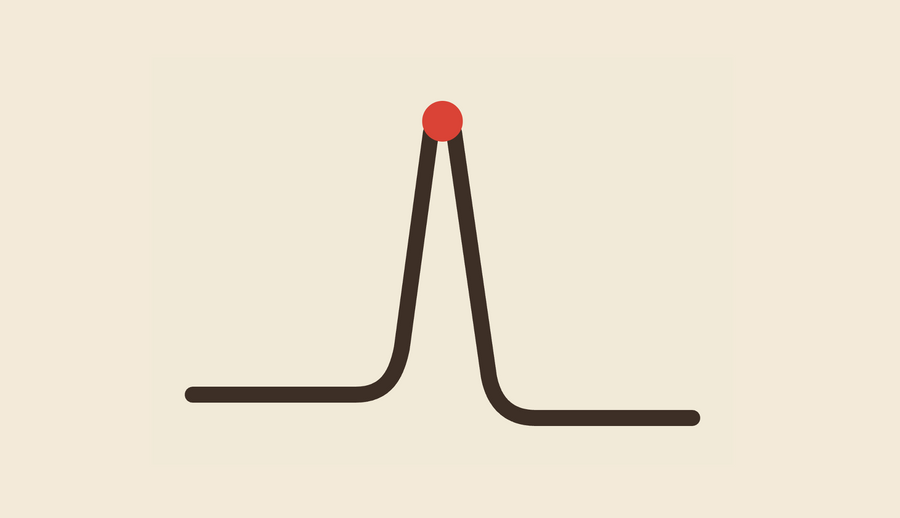
It's measuring your cortisol at specific points across the day, usually morning and evening, repeated over days or weeks, to see the shape of your personal rhythm rather than a single number. Cortisol isn't supposed to be flat. It's supposed to spike shortly after you wake up and decline steadily until night. Tracking shows whether that curve is doing what it's supposed to, not a pass or fail grade from one test.
Is at-home saliva testing actually accurate?
For tracking the natural daily rhythm and the cortisol awakening response, salivary cortisol is well validated, and it's the method most stress physiology research actually uses, because it's non-invasive and can be sampled repeatedly across a day. Tests can be expensive— over $100 a kit. Tare's Kit 01 is a no markup alternative that makes tracking easy.
Importantly, saliva tracking is good for watching your own pattern, but is not a substitute for a clinical workup.
How do Tare's cortisol strips fit in?
Cortisol peaks about 30 minutes after waking, so each kit ships with 21 saliva test strips timed to catch that morning rise, plus the evening points that fill out your curve. No prescription needed, no lab, and results read in about 10 minutes. Kit 01 is $45, with free shipping on orders over $75, at shoptare.com/products/kit-01-cortisol.
Why does timing matter, and what can throw off a reading?
Cortisol's whole story is in its shape, not its level. A sample about 30 minutes after rising captures the cortisol awakening response, the sharp rise that's supposed to happen as your body switches on. An evening sample shows whether cortisol has come back down. What you're looking for is a natural curve from high to low in a day.
Test inconsistently and you're not measuring the rhythm at all. A single reading at ad hoc times throughout the day is also easy to throw off: a tense conversation, a hard workout, poor sleep, menstrual cycle shifts, oral contraceptives, or even brushing your teeth beforehand can all shift a result.
That's exactly why one-off readings are unreliable and consistent, and repeated testing is what actually means something— understanding your cortisol curve shows you your baseline.
What does an elevated or blunted result actually mean?
A blunted morning rise (low cortisol upon waking) is associated with chronic stress and burnout patterns in the research. An exaggerated spike at night or throughout the day is associated with anticipatory anxiety, stress or an acute stressor. An evening reading that hasn't come down is associated with the kind of chronic stress load that disrupts sleep over time. These are real, studied associations, not diseases.
Actual cortisol disorders involve a specific, progressive set of clinical symptoms confirmed through targeted clinical testing, not a single at-home strip.
You should always consult your doctor for real medical advice.
Can I actually do anything about my pattern?
There are real tactics to help regulate your cortisol. Morning sunlight within the first hour of waking, delaying caffeine 60 to 90 minutes, consistent sleep and wake times, and morning exercise are all associated with a healthier, more amplified morning rise. Chronic stress without recovery, irregular schedules, and overtraining are linked to the two dysfunction patterns: a sharp morning spike with an afternoon crash, or a flat morning with a late-night rise. Tracking shows whether your lifestyle changes are actually moving your own curve.
When should this go to a doctor instead of staying a personal experiment?
If your pattern is consistently abnormal across multiple testing days, not just one off morning, or you have other symptoms alongside it (unexplained weight change, muscle weakness, unusual bruising, high blood pressure, missed periods), bring your data to a physician. At-home tracking is built to show a pattern. It is not built to rule a disease in or out or diagnose.
Resources
-
Andrew Huberman, "How to Control Your Cortisol & Overcome Burnout," Huberman Lab (via Podcast Notes)
-
"Behind the Cortisol Trend: Misinformation Could Drive Unnecessary Testing," Medscape